Defending Canada’s food supply means defending Supply Management
The topic of national sovereignty has dominated Canadian politics – specifically, how to protect Canada from an aggressive, expansionist United States that claims to want to absorb Canada as its 51st state. Prime Minister Mark Carney won the April 2025 federal election by portraying himself as a guardian of Canadian sovereignty. At this year’s World Economic Forum meeting in Davos, Switzerland, Carney stated: “A country that can’t feed itself, fuel itself or defend itself has few options. When the rules no longer protect you, you must protect yourself.”
The sovereignty question is necessarily an agricultural one. To begin, discussions of national sovereignty must recognize that the Canadian state has consistently failed to respect the sovereignty of Indigenous nations, and that colonization continues to undermine Indigenous food systems. Canadian agriculture must do a better job respecting Indigenous communities on and off reserve. Indigenous food sovereignty is essential to addressing colonialism’s impact on Indigenous food insecurity.
Furthermore, the COVID-19 pandemic revealed the vulnerability of globalized food supply chains. The Trump administration’s threats of tariffs reduced Canadian exports of beef, pork, and canola in the first quarter of 2025, revealing the risks and vulnerability of an export agriculture sector exposed to tariff threats and market volatility. However, due in part to Canada’s supply management system, we are able to effectively weather external threats to our overall food security.
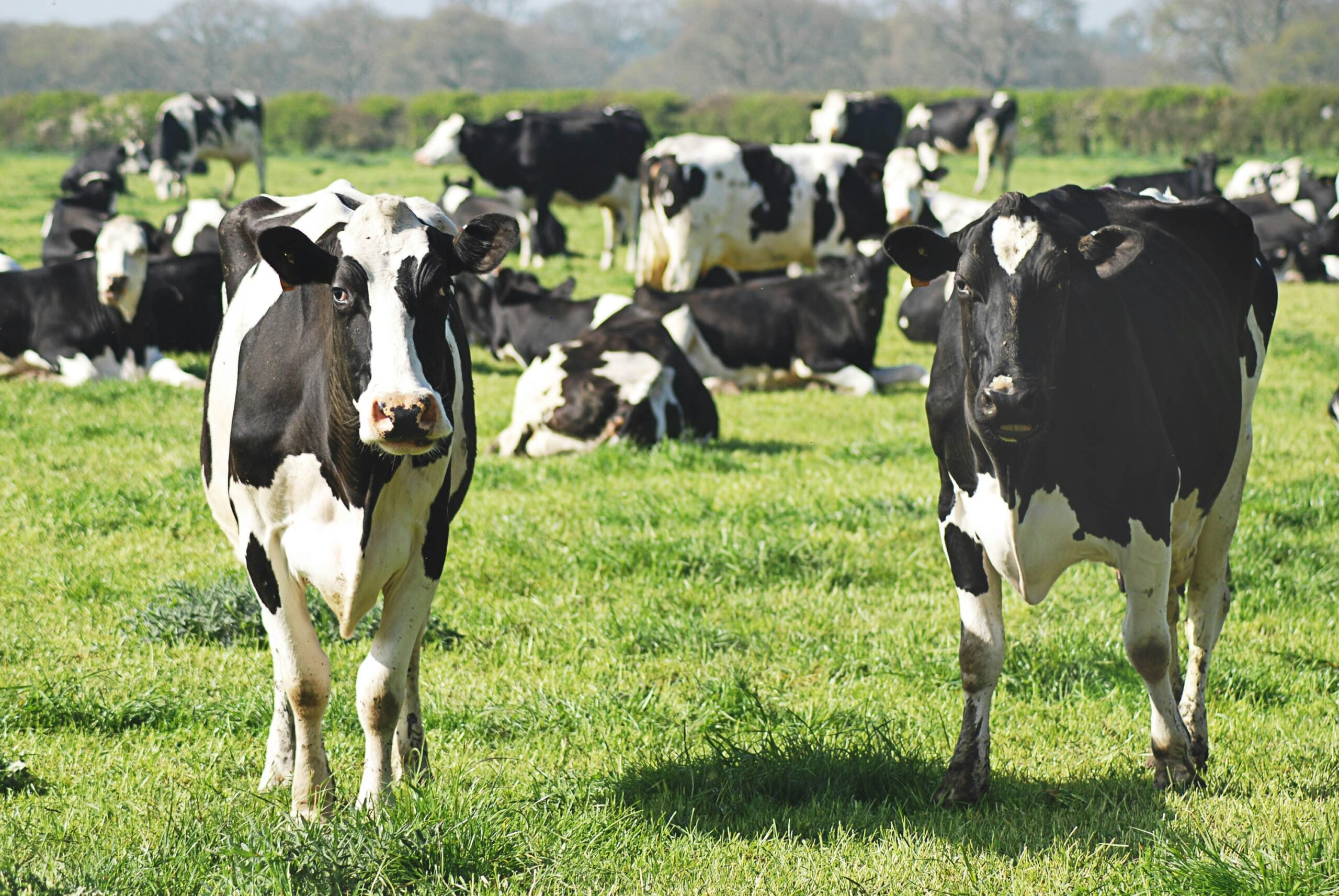
Supply management has three pillars: 1) production discipline (or quotas), 2) cost-of-production pricing, and 3) import controls. Production quotas are set to ensure reliable year-round supplies of farm products, while preventing overproduction and huge swings in prices. Farmers receive a price that mirrors their costs of production, based on a continually updated survey of farm costs from across the country, guaranteeing farmers a steady, fair income. And Tariff Rate Quotas allow only a limited amount of agricultural imports, thereby securing Canadian markets for Canadian farmers. These three pillars unite to protect Canada’s dairy, poultry, and egg farmers from a flood of cheap exports from massive, unregulated US agribusinesses, while ensuring Canadian consumers a reliable supply of Canadian products at predictable prices. If these policies were erased, Canadian dairy, poultry and egg farmers would be in the same unenviable boat as the small US farms which have been decimated over the last two decades.
For decades, Canadian farmers have faced many challenges related to farm consolidation, land inaccessibility, and generational loss of knowledge. These are pressing issues that must be addressed to guarantee reliable and affordable food for Canadians. Our unique system of supply management protects dairy, poultry, and egg farmers from these extreme forms of consolidation, and protects consumers from price changes due to international mechanisms like tariffs.
Donald Trump wants to break the market management policies that are integral to Canada’s food security, and open up Canadian markets to US agricultural exports, namely dairy products from the Midwest. Fortunately, the Canadian government has vowed that supply management is not on the table.
Even so, Canadians who support a reliable and affordable food supply have reason to worry. For one, Carney has appointed as US ambassador a strident critic of supply management. Mark Wiseman, a former manager at BlackRock and a personal friend of Carney’s, became Canada’s ambassador to the US on February 15. In April 2024, Wiseman wrote dismissively about “the sacred cow of supply management,” claiming that “through its import restrictions, production quotas and price controls, [supply management] secures the market for a protected group of settled players, impeding innovation and keeping prices artificially high for Canadian consumers.” One wonders if, when the time comes, Wiseman will defend this popular and important system.
Additionally, Ottawa recently imposed sweeping cuts on Agriculture and Agri-Food Canada, the country’s largest agriculture research department, and proposed amendments to the Plant Breeders’ Rights regulations that will limit farmers’ seed-saving rights. Such policies do not reflect farmers’ best interests. Instead, they are reflective of Carney’s beliefs that removing the government’s regulatory role in agriculture will improve the economy – a belief that, as we’ve seen in the US, inevitably leads to the growth of large corporations, at the expense of small producers. This has disastrous implications for family farms.
Dismantling supply management’s key tenets – production discipline, cost-of-production pricing, and import controls – would put Canadian farmers at the mercy of powerful agribusinesses, including those based in the US. Canadians should closely watch negotiations with the US to ensure that Carney’s government doesn’t allow Washington to erode supply management. Such an erosion would weaken the security of Canadian farmers, and of safe and affordable food for Canada as a whole.
