Plant Breeders Rights regulatory change costs farmers, benefits seed companies
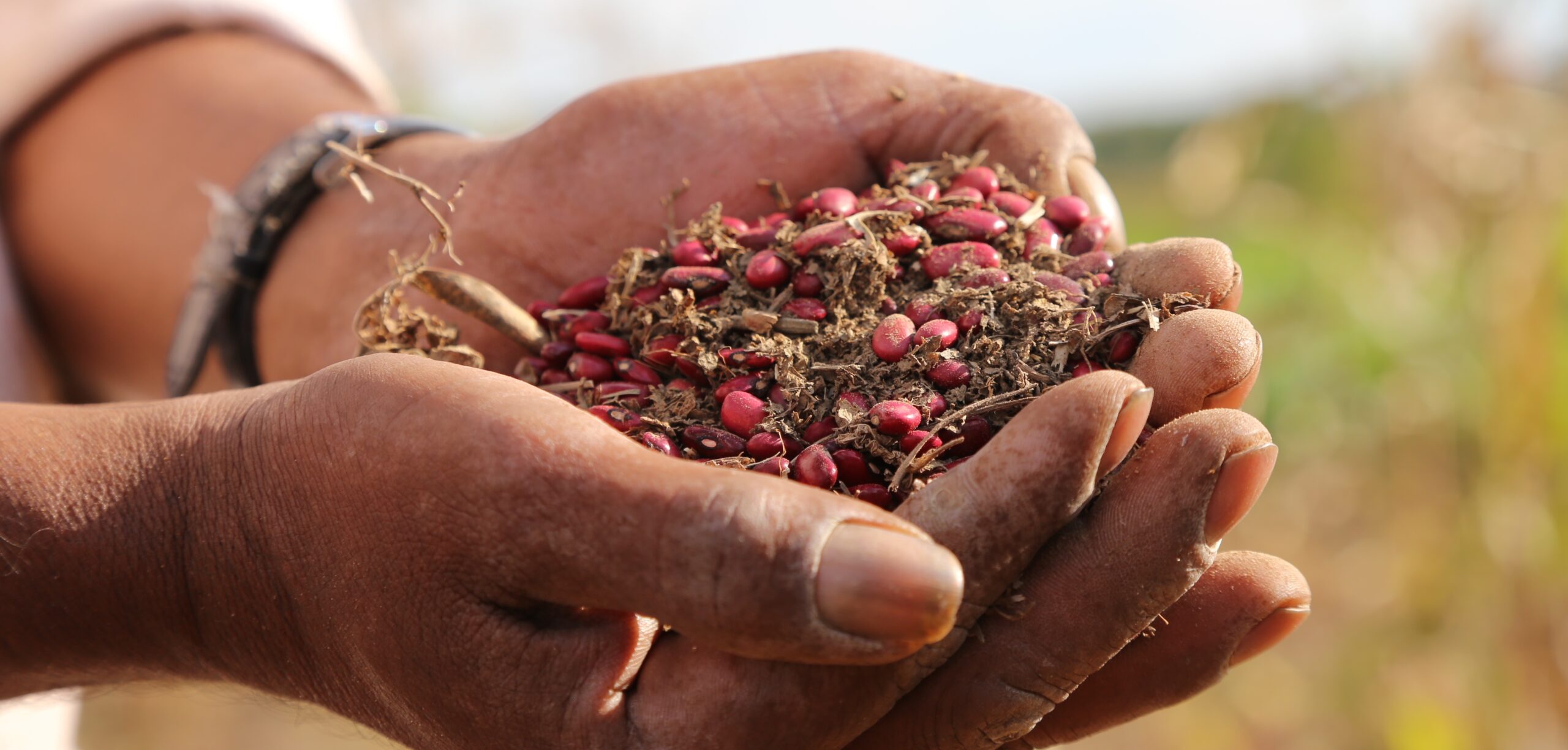
Farmers can expect higher seed prices and more privatization of plant breeding as multinational seed companies cash in on exclusive control over new varieties enabled by the new Plant Breeders’ Rights regulation passed on April 23.
“When Canada’s current Plant Breeders’ Rights (PBR) Act was passed in 2015, the National Farmers Union warned that a future government could use it to restrict the Farmers’ Privilege – the right to legally save and reuse seed of PBR-protected varieties — simply by changing a regulation,” said Terry Boehm, former NFU President. “On April 23, 2026, the federal government did just that. It passed a regulation that eliminates the Farmers’ Privilege for all fruit, vegetable and ornamental crops, along with hybrid varieties and the varieties used to produce hybrids that are covered by PBR. It is now illegal for farmers who purchase these PBR-protected varieties to use seed, cuttings, tubers or bulbs they harvest to grow future crops on their own farms.”
“Seed saving is the foundation of agriculture itself. It is the age-old practice used world-wide by farmers and Indigenous peoples, to create the amazing diversity of crops we know today. Today’s plant breeders tap into this knowledge when they develop new varieties. Now, the ability of farmers to save seeds on their own farms, and thus their ability to adapt crops to changing climatic conditions, are being undermined,” said Aabir Dey, Director of SeedChange’s Canadian program.
As stated in the Canada Gazette, the government’s rationale for eliminating Farmers’ Privilege is to make it more lucrative for private companies to sell new varieties in Canada. The real winners here are therefore plant breeding companies who now control farmers’ access to these varieties. Six multinational seed companies (Bayer, Corteva, Syngenta, BASF, Limagrain and KWS) control 64% of the global commercial seed market. Most vegetable seed used by Canadian farmers is bred and sold by these corporations, grown abroad, and imported.
The same multinationals that dominate horticultural seed are developing hybrid varieties for cereal, pulse and oilseed crops where using farm-saved seed is a widespread practice. Farmers generally do not use seed saved from hybrid crops because the resulting crop does not uniformly exhibit desirable traits. Corteva’s new spin-off company, Vylar, plans to start marketing a hybrid wheat in 2027. Syngenta and KWS sell hybrid barley varieties, KWS sells hybrid rye, and hybrid lentils may be coming soon.
“Eliminating Farmers’ Privilege on hybrid varieties indicates how excessive industry demands are – they feel the need to legally eliminate the practice of seed-saving which is already accomplished biologically,” said Boehm.
At the same time, after decades of budget cut-backs and austerity measures, the drastic cuts to AAFC research capacity announced in January directly attack public plant breeding that has been the backbone of Canada’s agricultural economy for 140 years. If the government does not reverse these plans, the cuts will eliminate key scientific positions and destroy the network of specialized plots of land with representative soil types and growing conditions needed to test potential varieties in the real-life conditions farmers face.
Eliminating critical parts of our public plant breeding capacity hampers development of high-quality, lower-cost publicly bred seed and further concentrates power over Canada’s seed system in the hands of large private seed companies.
“It appears that the AAFC cuts and this regulatory change go hand in hand,” said Boehm. “The government is dismantling a public plant breeding system that has served Canadian farmers for generations to make Canada’s seed sector more profitable for large private companies. The result will be fewer farmer-focused varieties, higher seed costs, and greater dependence on foreign-owned seed corporations whose priorities are profit, not the long-term resilience of Canadian agriculture.”
– 30 –
For more information:
- Terry Boehm (Colonsay, SK, former NFU President): terryedwinboehm@yahoo.com; 306-255-7638
- Aabir Dey (Guelph, ON, SeedChange): media@weseedchange.org
- Wayne James (Beausejour, MB, NFU member): wayneljames50@gmail.com; 204-268-4980
- Phil Mount (Ottawa, ON, NFU Vice-President, Policy): vp-policy@nfu.ca; 343-262-5911
See also:
- Plant Breeders Rights – NFU response to Regulatory Impact Analysis Statement (October 16, 2025)
- Joint Submission to CFIA Consultation regarding Proposed amendments to the Plant Breeders Rights Regulations, August 13, 2024 by National Farmers Union (NFU), SeedChange, Canadian Organic Growers, SaskOrganics, Ecological Farmers Association of Ontario (EFAO), Atlantic Canada Organic Regional Network (ACORN), Organic Alberta, FarmFolkCityFolk, Manitoba Organic Alliance and Direct Farm Manitoba.
