Cuts to AAFC are disastrous for Canada, says National Farmers Union
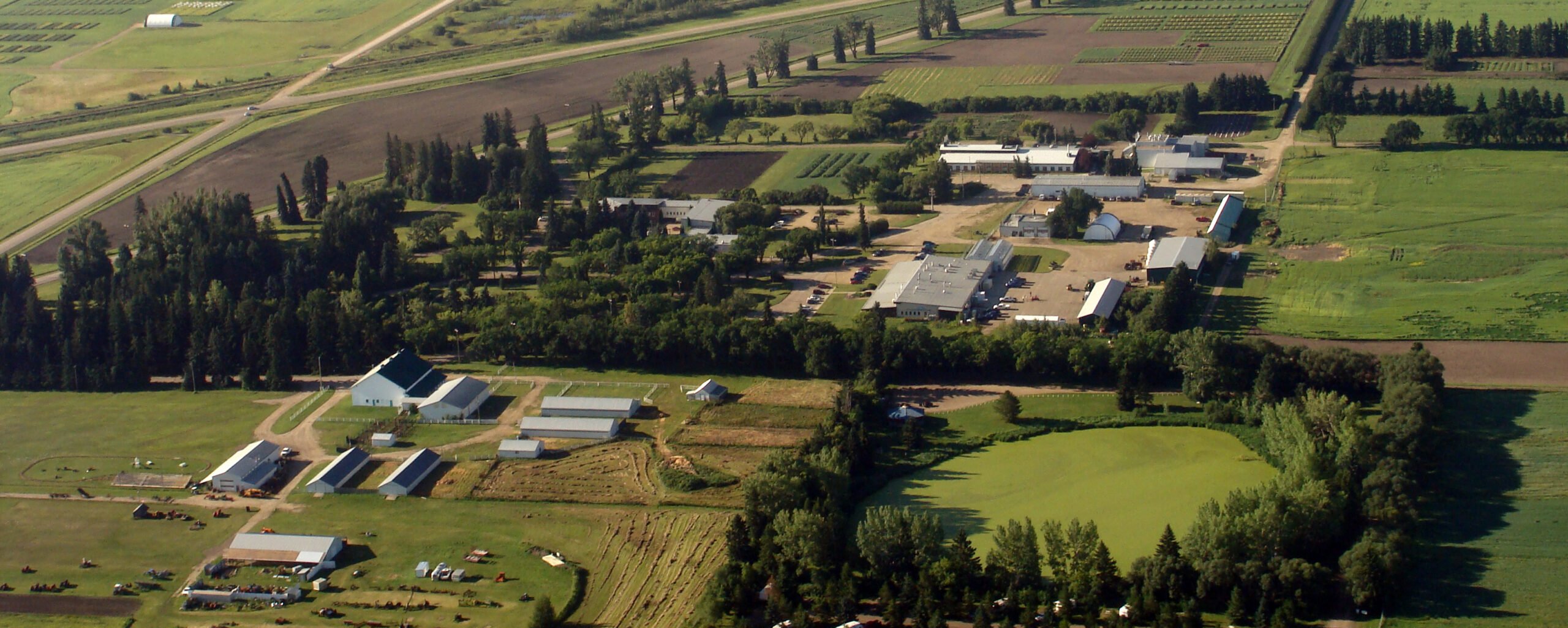
On Tuesday in his speech in Davos, Prime Minister Carney said “A country that cannot feed itself, fuel itself or defend itself has few options.” On Friday, Agriculture and Agri-Food Canada announced 12% of its workforce – 665 positions — and 7 agriculture research facilities are to be cut. Over the weekend we also witnessed the USA, our largest trading partner and source of much of our processed and fresh foods, lurch even further into violence and unrest. By closing the doors on agricultural research centres and research farms, and ejecting people who represent upwards of 10,000 years’ worth of experience from the public service, Canada will be foreclosing on the discovery, problem-solving, and knowledge-base that would have been created by these institutions, leaving us more vulnerable with fewer options.
“We are facing multiple crises that affect our capacity to produce the food and agricultural products that Canadians need,” said Phil Mount, NFU Vice President, Policy. “We need more investment, not less, in our public research institutions and personnel. The planned cuts would remove about $154 million from AAFC’s annual budget, but this is a false economy. Cutting our capacity to address known and emerging agriculture problems will be far more costly. For just one example, agricultural economist Dr. Richard Gray has shown that there is a $35 return to farmers and the public for every dollar invested in public plant breeding.”
“AAFC researchers working in the public interest can tackle large, difficult questions and freely share their findings, helping farmers succeed in the long term. Farmers have partnered with AAFC by putting tens of millions of check-off dollars into these research projects, as has the Western Grains Research Foundation (WGRF) which allocates money indirectly contributed by farmers. Closing these AAFC facilities will make it that much harder to find institutions with the capacity to utilize these funds,” said Terry Boehm, NFU representative on the WGRF.
“Cutting the Organic and Regenerative Research Program at the Swift Current Research Centre, the sustainable livestock programs at Lacombe and the Nappan Research Farm, along with the agro-ecosystem resilience research at Quebec City, weakens Canada’s ability to deal with climate change impacts and biodiversity loss,” said Jenn Pfenning, NFU President. “Farmers in every part of Canada are affected. Research is needed to develop the best kinds of solutions that will be cost-effective for farmers and help us strengthen our food sovereignty.”
Several targeted research facilities support public plant breeding. Field plots allow breeders to compare and assess varieties. “Public plant breeding is the cornerstone of Canada’s agriculture sector,” said Jennifer Seward, Manitoba farmer and Executive Director of Manitoba Seed Growers Association. “Our public breeders have a deep commitment to quality and public benefit. These cuts undermine the dollars that taxpayers and farmers have invested into variety research for decades, and the seed industry is first and foremost, concerned with the loss of this investment.”
Dave Gehl, retired Indian Head Research Farm manager said. “The loss of funding under the Harper government in the 2012 budget caused great harm to AAFC. What we need is a reversal, not an intensification of such austerity measures. Our research farm, as well as the others slated for closure, make huge contributions locally by providing good jobs to hundreds of people, to all rural communities through the results of their work, and to all Canadians by ensuring our agriculture system remains productive, sustainable and economically viable.”
The research institutions on the chopping block are key components of Canada’s original nation-building infrastructure. Nova Scotia’s Nappan Research Farm Indian Head Research Farm in Saskatchewan were established in 1887, while Alberta’s Lacombe Research Centre dates back to 1907, and Scott Research Farm in Saskatchewan to 1911. The Portage la Prairie Manitoba research farm was set up in 1944 towards the end of World War II, Quebec City Research Center opened in Canada’s centennial year 1967 and Ontario’s Guelph Research and Development Centre in 1997. By closing them, we will also lose their lands (including plots with scientific data going back a century), buildings – from historic sites to brand new purpose-built facilities, equipment ranging from specially adapted farm machinery to sophisticated laboratory instruments.
The National Farmers Union is calling for not only a reversal of these cuts, but re-investment in public agricultural research. In a world increasingly fraught with uncertainty, rebuilding our capacity for public-interest agricultural research will provide Canada with the strategic autonomy to deliver security and confidence into the future.
– 30 –
For more information:
Phil Mount, NFU Vice President, Policy, Ottawa – 343-262-5911 or vp-policy@nfu.ca
Dave Gehl, Indian Head, SK – 306-533-1072
Jennifer Seward, Carmen, MB – 204-745-7940 or Jennifer.seward@seedmanitoba.ca
Terry Boehm, Colonsay, SK – 306-255-7638
Take Action! Here is what you can do:
- Send a message to Prime Minister Carney using this form https://www.pm.gc.ca/en/connect/contact
- Email and/or phone AAFC Minister, Hon. Heath MacDonald, your own MP, Leaders of the Conservative, NDP, Bloc Quebecois and Green Party.
- Send a link to this article to your own networks
- Post this link on social media
- Subscribe to the NFU’s mailing list to stay informed on this and other important farm issues
